

Why government websites are their own thing
Government websites carry constraints that consumer or B2B sites don't. They must be accessible to every citizen including those with disabilities. They must be multilingual where the jurisdiction requires it. They must be permanent in a way commercial sites aren't — URLs from a decade ago must still resolve. They must be auditable, secure, and procurement-defensible. And they must serve users who are often anxious, often time-constrained, and often interacting with the site during a moment of crisis.
Marketing MIX, an international marketing studio with Ukrainian roots, headquartered in Ottawa and working across Canada, Ukraine, Germany, and France, builds public-sector and public-sector-adjacent websites. Procurement requirements are reviewed per engagement, and we work to the accessibility and security standards that real audits enforce.
What every government website we ship includes
Accessibility built in from the first wireframe
- WCAG 2.2 AA across all content from day one.
- Manual screen-reader testing with NVDA, JAWS, and VoiceOver.
- Keyboard navigation working on every interactive element.
- Color contrast meeting AAA where feasible without sacrificing readability.
- Plain-language editorial standards (recommended Hemingway/Grade-8 reading level for service pages).
- Captions on all video, transcripts for all audio.
- Alt text reviewed for accuracy, one image at a time.
Multilingual where required
- Proper hreflang and dual-canonical handling.
- Locale-specific content production (not machine translation for legal or service text).
- Language-aware service flows.
- Right-to-left support where applicable (Arabic, Hebrew).
Service-oriented navigation
- "What service do you need?" as the top-level navigation, in place of the department org chart.
- Service pages structured around what the citizen wants to accomplish.
- Cross-references to related services.
- Mobile-first design — service interactions are increasingly mobile-only for many demographics.
Forms and service requests
- Multi-step forms with save-and-resume.
- Document upload with virus scanning and accessibility-aware upload interfaces.
- Identity integration with government SSO (GCKey, Login.gov, France Connect, BankID) where available.
- Confirmation, tracking, and follow-up communication.
Open data and transparency
- Integration with open-data portals (CKAN, Socrata, custom).
- Council-meeting publication, agendas, minutes, and recordings.
- Budget transparency dashboards.
- FOI / Access-to-Information request workflows.
Security baseline
- WAF, rate limiting, DDoS protection.
- Encrypted transit (TLS 1.3) and at rest.
- Audit logging with retention per jurisdictional requirement.
- Regular dependency and vulnerability scanning.
- Disaster-recovery runbook with tested restore procedures.
- Access controls and quarterly access review.
Procurement-friendly architecture
- Open-source stack (Next.js, React, PostgreSQL) — auditable and free of vendor lock-in.
- Hosted on infrastructure approved by your procurement (AWS GovCloud, Azure Government, Cloudflare for Government, or on-premises where required).
- Documentation that supports knowledge transfer to in-house teams.
Types of government sites we've shipped
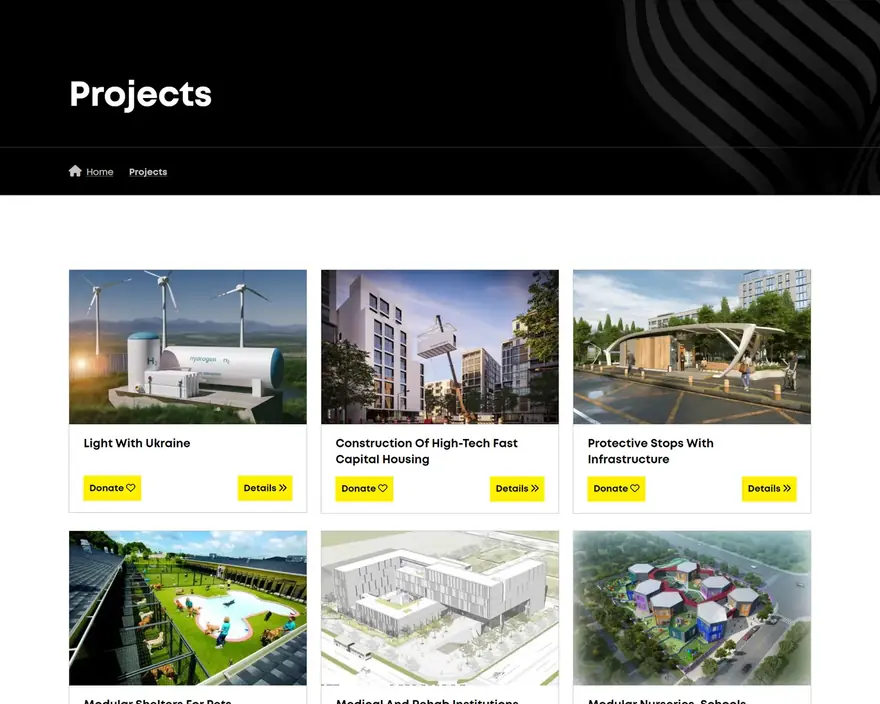
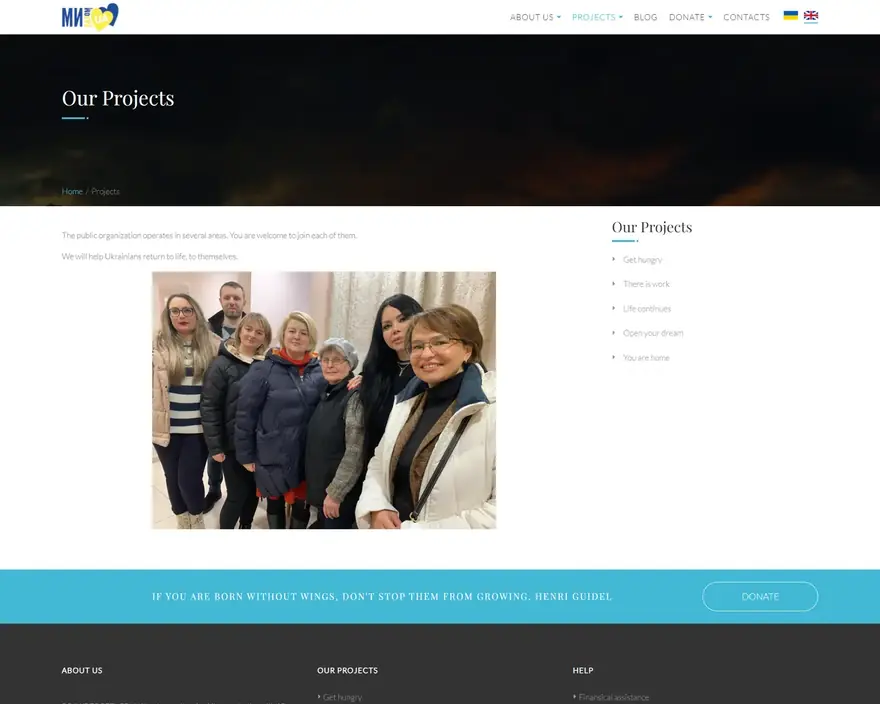
Municipal services portals. Public health information sites. Cultural and heritage agency sites. Transparency and open-data portals. Election commission sites. Tourism boards. Public consultation platforms. Government-supported business assistance programs. Charity and grant-distribution platforms operated by or on behalf of government.
For deeper certification work (FedRAMP, ISO 27001, SOC 2 Type II) we partner with prime contractors who hold those certifications and operate as the design and development sub-contractor.
Pricing
Start with a 30-minute marketing strategy session for €100: we look at your situation and agree on the next step. Everything after that is quoted for your scope. How it works: Pricing.
What we don't do
- Build sites on proprietary CMSes that lock the agency into a specific vendor for life.
- Compromise on accessibility to hit a deadline. We delay launches rather than ship inaccessible sites.
- Bid on projects that require FedRAMP High or above without partnering with a prime contractor who already holds it.
Related
For non-government regulated-industry sites with similar compliance shape: Medical center website development and Law firm website development for Canadian firms. For the broader infrastructure work that often accompanies government builds: Turnkey IT infrastructure for growing companies.
Written by Maksym Stepanenko, founder of Marketing MIX. Last reviewed: 2026-09-01.